
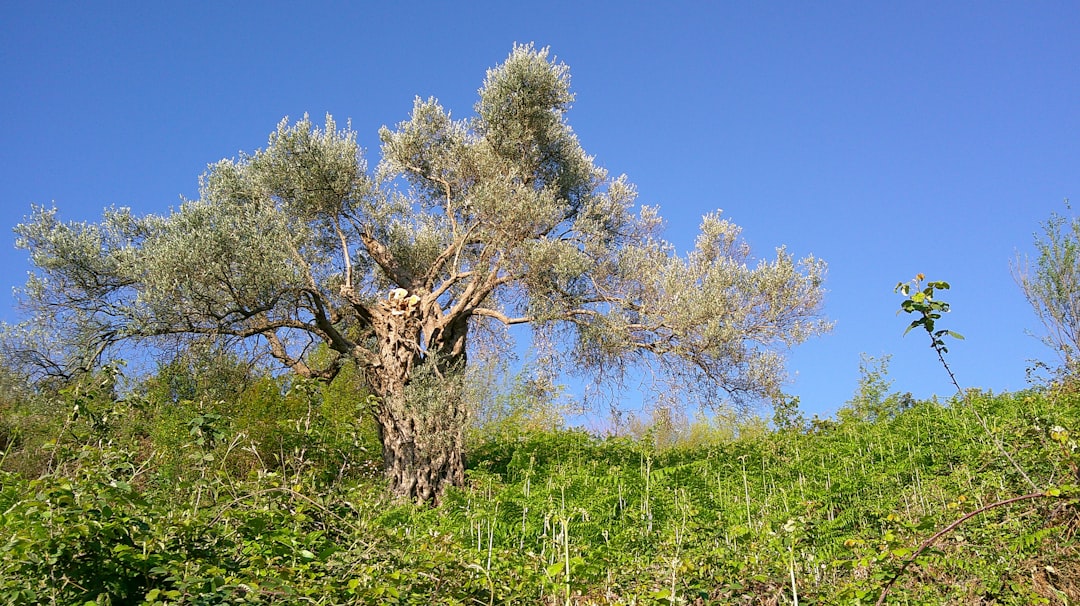
The sassafras tree, a captivating North American native, is not just a beautiful addition to any garden but also a vital provider of food and shelter for wildlife. In this guide, we will delve into the essential tips for growing a sassafras tree, covering everything from planting to pruning.
Planting Your Sassafras Tree
Before you start planting your sassafras tree, it's crucial to choose the right location. Sassafras trees thrive in well - drained soil and prefer areas with partial to full sun exposure. They can tolerate a variety of soil types, including loamy, sandy, and clay soils, as long as the drainage is good. When selecting a site, make sure there is enough space for the tree to grow, as sassafras trees can reach heights of up to 60 feet and have a spread of about 30 feet.
When it comes to planting, dig a hole that is twice as wide and just as deep as the root ball of the sapling. Gently remove the sapling from its container and place it in the hole, making sure the top of the root ball is level with the ground surface. Backfill the hole with soil, tamping it down gently to remove any air pockets. Water the newly planted tree thoroughly to help the roots settle in.
Watering Requirements
Proper watering is essential for the healthy growth of your sassafras tree. During the first year after planting, the tree needs regular watering to establish a strong root system. Water the tree deeply once or twice a week, providing about 1 - 2 inches of water each time. As the tree matures, it becomes more drought - tolerant, but it still benefits from occasional deep watering during dry spells.
It's important to avoid over - watering, as sassafras trees are susceptible to root rot in waterlogged soil. To check if the tree needs watering, stick your finger about 2 - 3 inches into the soil near the base of the tree. If the soil feels dry at that depth, it's time to water.
Fertilizing Your Sassafras Tree
Fertilization can help your sassafras tree grow strong and healthy. In the early spring, apply a balanced, slow - release fertilizer around the base of the tree, following the manufacturer's instructions. Avoid over - fertilizing, as this can lead to excessive growth and make the tree more vulnerable to pests and diseases.
Pruning for Optimal Growth
Pruning is an important part of sassafras tree care. The best time to prune a sassafras tree is during the dormant season, which is typically in late winter or early spring. Start by removing any dead, damaged, or diseased branches. These branches not only detract from the tree's appearance but can also harbor pests and diseases.
You can also prune to shape the tree and control its size. When pruning, use sharp, clean pruning shears or saws to make clean cuts. Avoid leaving stubs, as they can invite infection. If you need to remove a large branch, make a series of cuts to prevent the bark from tearing.
Dealing with Pests and Diseases
While sassafras trees are generally hardy, they can be affected by some pests and diseases. Common pests include aphids, scale insects, and spider mites. These pests can be controlled with insecticidal soaps or horticultural oils. Make sure to follow the product instructions carefully when applying these treatments.
Diseases that can affect sassafras trees include root rot, leaf spot, and powdery mildew. To prevent these diseases, ensure proper soil drainage, avoid over - watering, and provide good air circulation around the tree. If you notice signs of disease, such as discolored leaves or wilting, consult a professional arborist for advice on treatment.
Wildlife Benefits
One of the many advantages of growing a sassafras tree is its ability to attract wildlife. The tree's leaves, twigs, and fruits provide food for a variety of animals, including deer, rabbits, and birds. The dense foliage also offers shelter and nesting sites for birds and small mammals. By growing a sassafras tree in your garden, you can contribute to the local ecosystem and enjoy the presence of wildlife.
In conclusion, growing a sassafras tree can be a rewarding experience. By following these essential tips on planting, watering, fertilizing, pruning, and pest control, you can ensure that your sassafras tree thrives and becomes a beautiful and beneficial addition to your garden for years to come.