
• HOME
  • Container Gardens
  • Houseplants
  • Edible Gardening
  • Garden Design
  • Caring for Your Yard
  • Flowers
  • Pest & Problem Fixes
  • Trees, Shrubs & Vines
  • Landscaping
  • Garden Plans
  • Terms of Use
  • About Us
  • Privacy Policy
frostspell.topfrostspell.top
  • HOME
  • Container Gardens
  • Houseplants
  • Edible Gardening
  • Garden Design
  • Caring for Your Yard
  • Flowers
  • Pest & Problem Fixes
  • Trees, Shrubs & Vines
  • Landscaping
  • Garden Plans
frostspell.top frostspell.top
frostspell.top » Trees, Shrubs & Vines » Transform Your Shady Landscape with Japanese Aralia's Allure
Trees, Shrubs & Vines

Transform Your Shady Landscape with Japanese Aralia's Allure

Transform Your Shady Landscape with Japanese Aralia's Allure

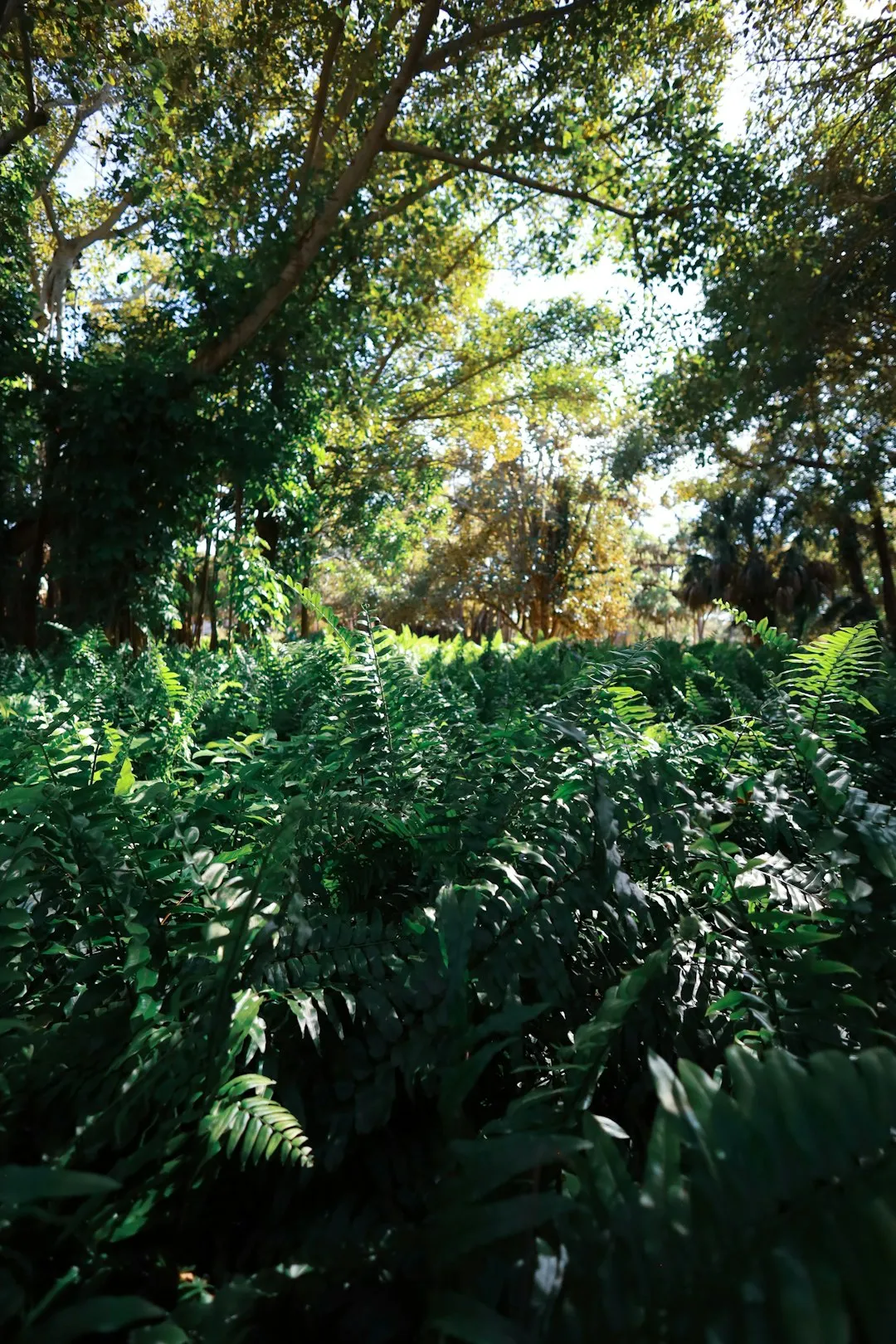
In the world of gardening, finding the perfect plant to thrive in cool, shady spots can be a challenge. However, the Japanese Aralia emerges as a true gem, offering a tropical touch that can elevate the aesthetic of any landscape. With its enormous, glossy green leaves, this plant has the power to transform even the dullest corners of your garden into a lush, inviting oasis.

Japanese Aralia, scientifically known as Fatsia japonica, is a versatile and hardy shrub that is native to Japan, Korea, and Taiwan. It belongs to the Araliaceae family and is well - suited for areas with partial to full shade. One of the most striking features of the Japanese Aralia is its large, palmate leaves. These leaves can grow up to 16 inches in diameter, creating a bold and dramatic statement in the garden. The glossy surface of the leaves not only adds a touch of elegance but also reflects light, brightening up shady areas.

When it comes to incorporating Japanese Aralia into your landscape, there are several ways to do so. You can use it as a specimen plant, allowing it to stand alone and showcase its unique beauty. Plant it in a large container on a shady patio or near an entrance to your home. The container can be chosen to complement the overall style of your landscape, whether it's a modern, minimalist design or a more traditional look.

Another option is to plant Japanese Aralia in groups. When planted in clusters, the large leaves create a dense and lush foliage that can serve as a natural privacy screen. This is especially useful if you have a small backyard or if you want to create a secluded area within your garden. You can also combine Japanese Aralia with other shade - loving plants such as hostas, ferns, and astilbes. The different textures and colors of these plants will add depth and interest to your landscape.

Japanese Aralia is relatively easy to care for, making it a great choice for both novice and experienced gardeners. It prefers well - drained soil that is rich in organic matter. Water the plant regularly, especially during dry periods, but be careful not to over - water as this can lead to root rot. Fertilize the plant in the spring with a balanced, slow - release fertilizer to promote healthy growth.

In the fall, Japanese Aralia produces small, white flowers that are arranged in large, spherical clusters. These flowers are not only beautiful but also attract pollinators such as bees and butterflies. After the flowers fade, they are replaced by small, black berries that add an additional element of interest to the plant. However, it's important to note that the berries are toxic if ingested, so keep them out of reach of children and pets.

Pruning is an important part of maintaining the health and appearance of Japanese Aralia. You can prune the plant in the late winter or early spring to remove any dead, damaged, or diseased branches. You can also shape the plant to your desired size and form. If you want to keep the plant more compact, you can trim back the tips of the branches. However, be careful not to over - prune as this can reduce the plant's ability to produce new growth.

Japanese Aralia is also resistant to many common pests and diseases. However, it can be susceptible to scale insects and spider mites. If you notice any signs of pest infestation, such as yellowing leaves or webbing, you can treat the plant with an insecticidal soap or horticultural oil. Make sure to follow the instructions on the product label carefully.

In conclusion, Japanese Aralia is a wonderful addition to any landscape, especially those with cool, shady spots. Its large, glossy leaves, beautiful flowers, and easy - care nature make it a popular choice among gardeners. Whether you choose to use it as a specimen plant, in groups, or in combination with other shade - loving plants, Japanese Aralia will surely add a tropical feel to your garden and create a beautiful and inviting outdoor space.

Related Posts

Crafting a Magical Miniature Fairy Well for Your Container Garden

Vermiculite: A Key Element in Container Gardening Decisions

The Art of Pea Harvesting

Transforming Mango Pits into Indoor Green Beauties

The Hidden Gem of the Garden: Honeyberries

The Art of Rhubarb Harvesting for a Bountiful Yield

The Secret to Flourishing Blueberries in Containers

The Secret to a Bountiful Grape Harvest

Unveiling the Mysteries of Unripe Tomatoes and How to Fix Them

The Secret to Thriving Indoor Succulents

The Secret to Thriving ZZ Plants in Your Home

The Secret to Thriving Dracaena Houseplants

Unveiling the Secrets of Repotting Aloe Vera: A Comprehensive Guide

The Silent Threat to Your Indoor Greenery

The Secret to a Thriving Fiddle - Leaf Fig: The Le Tauci Planter

Safeguarding Your Feline Friends Amidst Christmas Cacti

Unveiling the Wonders of a Year - Round Garden

Unleash the Magic of a Mini Ecosystem on Your Deck

The Perfect Companions for Hostas in Your Garden

Transform Your Backyard into a Wildlife Paradise

Transform Your Yard with the Enchanting World of Moss

The Secret Weapons for Stunning Garden Landscaping

Transform Your Front Yard on a Budget with Brick Garden Borders

Unveiling the Wonders of the Better Homes & Gardens Test Garden

The Secret Life of Ranunculus: Surviving the Winter

Transform Your Garden with Sea Holly's Allure

The Wonders of Leadwort in Your Garden

The Enchanting Presence of Baby's Breath in Flower Gardens

Defend Your Fall Mums from Deer Intruders

The Charm of French Marigolds in Your Garden

The Enigmatic Allure of Osiria Roses

The Secret to Keeping Roses Thriving Through Winter

The Timing Secret of Plant Pruning

The Secret to a Thriving Bermudagrass Lawn

Unveiling the Mysteries of Wood Ash in Your Garden

The Art of Mowing New Sod: A Guide to a Thriving Yard

Secrets to Preserving Grass Seed for a Lush Lawn

Surviving the Scorch: Your Garden's Guide Through Heat Waves

Unleashing the Beauty of Your Yard: Annuals from Seeds

The Battle Against Invasive Garlic Mustard: Effective Eradication and Disposal

Safeguarding Squash Plants from Powdery Mildew: A Gardener's Guide

The Green Secret: Organic Neem Oil for Thriving Plants

Transform Your Space with Colorful Flowering Hedges

The Enchanting World of Arborvitae: A Privacy - Loving Evergreen

The Art of Safe and Effective Tree Removal

A Colorful Oasis: Low - Maintenance Sun - Loving Gardens

Transforming the Shaded Space: A Colorful Small - Space Garden Plan

Transform Your Borders with a Cool - Hued Garden

Unveiling the Wonders of a Pollinator - Friendly Garden

Unleashing the Magic of Flower Combinations in Your Garden

Crafting a Magical Miniature Fairy Well for Your Container Garden
Vermiculite: A Key Element in Container Gardening Decisions
The Art of Pea Harvesting
Transforming Mango Pits into Indoor Green Beauties
The Hidden Gem of the Garden: Honeyberries
The Art of Rhubarb Harvesting for a Bountiful Yield
The Secret to Flourishing Blueberries in Containers
The Secret to a Bountiful Grape Harvest
Unveiling the Mysteries of Unripe Tomatoes and How to Fix Them
The Secret to Thriving Indoor Succulents
The Secret to Thriving ZZ Plants in Your Home
The Secret to Thriving Dracaena Houseplants
Unveiling the Secrets of Repotting Aloe Vera: A Comprehensive Guide
The Silent Threat to Your Indoor Greenery
The Secret to a Thriving Fiddle - Leaf Fig: The Le Tauci Planter
Safeguarding Your Feline Friends Amidst Christmas Cacti
Unveiling the Wonders of a Year - Round Garden
Unleash the Magic of a Mini Ecosystem on Your Deck
The Perfect Companions for Hostas in Your Garden
Transform Your Backyard into a Wildlife Paradise
Transform Your Yard with the Enchanting World of Moss
The Secret Weapons for Stunning Garden Landscaping
Transform Your Front Yard on a Budget with Brick Garden Borders
Unveiling the Wonders of the Better Homes & Gardens Test Garden
The Secret Life of Ranunculus: Surviving the Winter
Transform Your Garden with Sea Holly's Allure
The Wonders of Leadwort in Your Garden
The Enchanting Presence of Baby's Breath in Flower Gardens
Defend Your Fall Mums from Deer Intruders
The Charm of French Marigolds in Your Garden
The Enigmatic Allure of Osiria Roses
The Secret to Keeping Roses Thriving Through Winter
The Timing Secret of Plant Pruning
The Secret to a Thriving Bermudagrass Lawn
Unveiling the Mysteries of Wood Ash in Your Garden
The Art of Mowing New Sod: A Guide to a Thriving Yard
Secrets to Preserving Grass Seed for a Lush Lawn
Surviving the Scorch: Your Garden's Guide Through Heat Waves
Unleashing the Beauty of Your Yard: Annuals from Seeds
The Battle Against Invasive Garlic Mustard: Effective Eradication and Disposal
Safeguarding Squash Plants from Powdery Mildew: A Gardener's Guide
The Green Secret: Organic Neem Oil for Thriving Plants
Transform Your Space with Colorful Flowering Hedges
The Enchanting World of Arborvitae: A Privacy - Loving Evergreen
The Art of Safe and Effective Tree Removal
A Colorful Oasis: Low - Maintenance Sun - Loving Gardens
Transforming the Shaded Space: A Colorful Small - Space Garden Plan
Transform Your Borders with a Cool - Hued Garden
Unveiling the Wonders of a Pollinator - Friendly Garden
Unleashing the Magic of Flower Combinations in Your Garden
frostspell.top ©2025
  • Terms of Use
  • About Us
  • Privacy Policy