
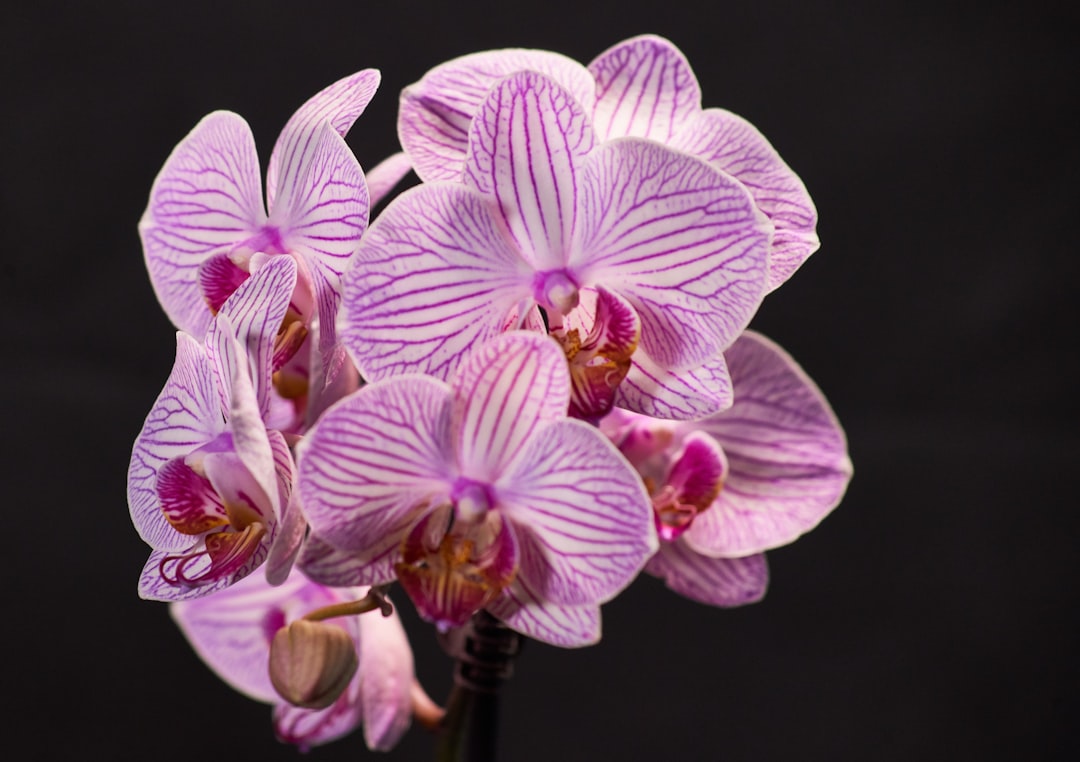
As the cold winter months approach, your potted hibiscus needs special care to survive and thrive until the warmth of spring returns. These care tips will guide you through the process of keeping your hibiscus healthy indoors during winter and then successfully acclimating it to the outdoors again.
### Indoor Care During Winter
#### Location and Lighting
Find a bright spot for your hibiscus indoors. A south - facing window is ideal as it receives the most sunlight during the day. However, if direct sunlight is too intense, you can use a sheer curtain to filter it. Hibiscus plants need at least 6 hours of bright, indirect light per day to stay healthy. If natural light is limited, you can supplement it with artificial grow lights. Place the lights about 12 - 18 inches above the plant and keep them on for 12 - 14 hours a day.
#### Temperature and Humidity
Hibiscus prefers a relatively warm environment, so keep the temperature in the room between 60°F and 70°F (15°C - 21°C). Avoid placing the plant near drafty windows, doors, or heating vents, as sudden temperature changes can stress the plant. In winter, indoor air tends to be dry, which is not ideal for hibiscus. You can increase the humidity around the plant by placing a tray filled with water and pebbles beneath the pot. As the water evaporates, it will create a more humid micro - environment for the hibiscus. Another option is to use a humidifier in the room.
#### Watering
Watering is crucial, but it's important not to over - water your hibiscus in winter. The plant's growth slows down during this time, so it requires less water. Check the soil moisture regularly by sticking your finger about an inch into the soil. If it feels dry, it's time to water. Use lukewarm water to avoid shocking the plant. Water the soil thoroughly until water drains out of the bottom of the pot, but make sure to empty the saucer beneath the pot to prevent the plant from sitting in standing water, which can lead to root rot.
#### Fertilizing
Reduce the frequency of fertilizing during winter. Hibiscus doesn't need as many nutrients when it's not actively growing. You can fertilize the plant once every 2 - 3 months with a balanced, water - soluble fertilizer diluted to half the recommended strength. This will provide just enough nutrients to keep the plant healthy without over - stimulating growth.
### Acclimating to the Outdoors
#### Timing
Wait until the danger of frost has passed and the outdoor temperatures are consistently above 50°F (10°C) before moving your hibiscus outdoors. In most regions, this is usually in late spring or early summer. Gradually exposing the plant to the outdoor environment is essential to prevent shock.
#### Gradual Exposure
Start by placing the hibiscus in a shaded, protected area outdoors for a few hours a day. Increase the time outdoors by an hour or two each day over the course of a week or two. At the same time, gradually move the plant to a sunnier location. This slow transition will allow the plant to adjust to the changes in light, temperature, and humidity.
#### Monitoring
Keep a close eye on your hibiscus during the acclimation process. Look for signs of stress such as wilting, yellowing leaves, or leaf drop. If you notice any problems, reduce the amount of sunlight or move the plant back indoors for a short period to recover.
By following these care tips, you can ensure that your potted hibiscus remains healthy throughout the winter and thrives when it's time to move it back outdoors. With a little attention and care, your hibiscus will reward you with beautiful blooms for years to come.