
Crabapple trees, often overlooked in the grand tapestry of the gardening world, are a true hidden gem. From their compact forms to the weeping shapes that seem to dance in the breeze, these trees bring a unique charm to any landscape. Their allure isn't just skin - deep; they offer a visual feast that lasts well into the winter months.
One of the most captivating features of crabapple trees is their vibrant foliage. During the spring, the trees burst into a riot of colors. Delicate pink and white blossoms cover the branches, creating a scene that is nothing short of magical. These blossoms not only add aesthetic value but also attract pollinators such as bees and butterflies. As the seasons change and summer arrives, the foliage takes on a rich, deep green hue. The leaves are well - shaped and dense, providing a lush canopy that can offer shade on a hot summer day.
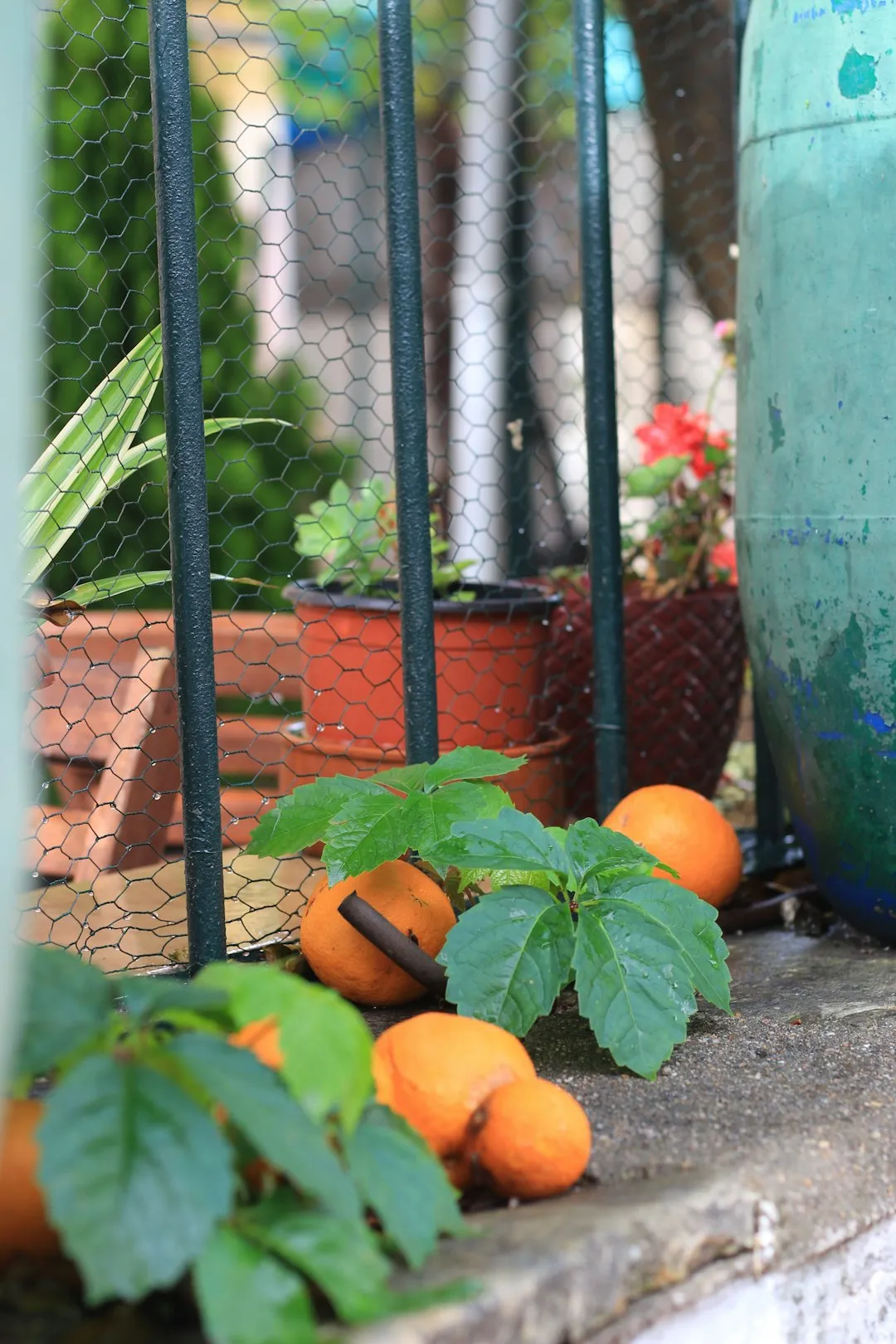
But the beauty of crabapple trees doesn't end with the changing foliage. As autumn approaches, the real show begins. The leaves transform into a palette of warm colors - oranges, yellows, and reds. It's as if nature has taken a paintbrush and carefully crafted a masterpiece. And then, there are the fruits. Crabapples are small, but they are mighty in terms of their visual impact. They come in various colors, from bright red to golden yellow. These fruits hang from the branches like little ornaments, adding a splash of color to the otherwise drab winter landscape.
Even in the coldest months when most other plants have gone dormant, crabapple trees continue to stand tall and proud. Their fruits remain on the branches, providing a source of food for birds and other wildlife. It's a heart - warming sight to see birds flocking to the trees, pecking at the fruits and finding sustenance in the harsh winter environment.
Now, let's talk about the bonus that crabapple trees offer - their fruits can be used to make delicious jellies. Making crabapple jelly is a time - honored tradition in many regions. The process starts with gathering the ripe fruits. Once you have a good harvest, the fruits are washed and then cooked down with water. The resulting liquid is strained to remove any solids, and then sugar is added. The mixture is boiled until it reaches the perfect consistency for jelly. The end product is a sweet and tangy jelly that has a unique flavor all its own. It can be spread on toast, used as a topping for pancakes, or even paired with cheese for a gourmet treat.
When it comes to planting crabapple trees, they are relatively easy to care for. They prefer well - drained soil and full sun, but they can also tolerate partial shade. Regular pruning is recommended to maintain their shape and promote healthy growth. With the right care, crabapple trees can thrive for many years, becoming a long - lasting addition to your garden.
In conclusion, crabapple trees are a wonderful choice for any gardener. Whether you have a large backyard or a small urban garden, these trees can add beauty, color, and functionality. Their journey from compact forms to weeping shapes, along with their vibrant foliage and winter - lasting fruits, makes them a truly remarkable plant. And let's not forget about the delicious jellies that their fruits can produce. So, if you're looking to enhance your garden, consider adding a crabapple tree or two. You won't be disappointed.