
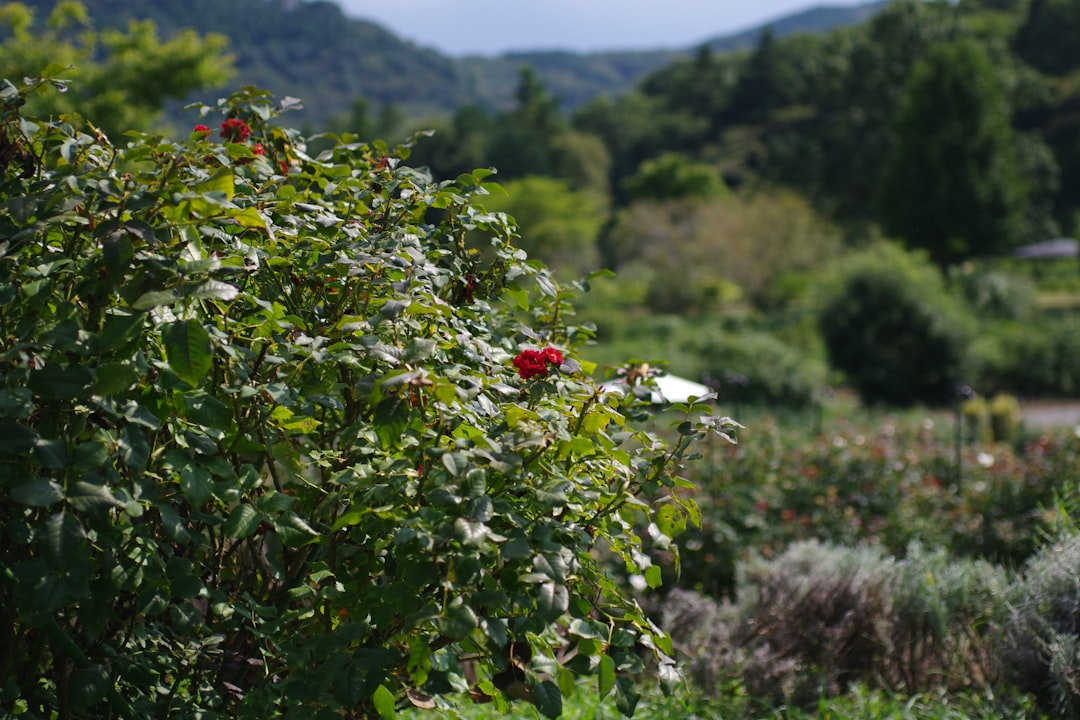
Pruning trees and shrubs is not just a gardening chore; it is an art form that requires knowledge, skill, and patience. When done correctly, pruning can enhance the beauty of your landscape, promote the health of your plants, and even prevent potential safety hazards. In this guide, we will explore the proper techniques for pruning trees and shrubs, as well as how to handle common challenges such as V - shaped branching, suckering, and forked trunks.
First and foremost, safety should always be your top priority when pruning. Before you begin, make sure you have the right tools for the job. Sharp pruning shears, loppers, and a pruning saw are essential. Wearing protective gear such as gloves, safety glasses, and a hard hat can prevent serious injuries. If you are dealing with large branches or tall trees, it may be necessary to hire a professional arborist.
One of the main reasons for pruning is to maintain the health of the tree. Dead, diseased, or damaged branches should be removed promptly. These branches can serve as entry points for pests and diseases, which can spread throughout the tree and cause significant damage. By removing them, you can improve the overall health of the tree and reduce the risk of infection.
Another important aspect of pruning is to shape the tree. Proper shaping can enhance the aesthetic appeal of your landscape. When shaping a tree, it is important to consider its natural growth pattern. For example, some trees have a central leader, which is the main trunk that grows straight up. In these cases, you should aim to maintain the central leader and remove any competing branches. Other trees may have a more spreading growth habit, and you can prune to encourage a more balanced and open canopy.
Now, let's talk about some of the common challenges you may encounter when pruning trees and shrubs. V - shaped branching is a common issue where two branches grow at a narrow angle, forming a V - shape. This type of branching can be weak and prone to splitting, especially during storms or heavy snow. To address V - shaped branching, you should remove one of the branches to create a stronger, more stable structure. It is best to remove the weaker or less desirable branch.
Suckering is another challenge that many gardeners face. Suckers are shoots that grow from the base of the tree or from the roots. They can sap energy from the main tree and make the plant look unkempt. To deal with suckers, you should remove them as close to the base as possible. You may need to use a sharp pruning saw or loppers to cut them off cleanly.
Forked trunks can also be a problem. A forked trunk occurs when the main trunk splits into two or more branches near the base of the tree. This can create a weak point in the tree's structure and increase the risk of failure. In some cases, it may be necessary to remove one of the forks to create a stronger, single - trunked tree. However, this decision should be made carefully, as removing a large fork can be a major pruning operation and may affect the overall health and appearance of the tree.
When pruning, it is important to make clean cuts. A clean cut heals faster and reduces the risk of infection. Use sharp tools and make the cut at a slight angle, just outside the branch collar. The branch collar is the swollen area at the base of the branch where it meets the trunk. Avoid leaving stubs, as they can decay and attract pests.
Timing is also crucial when it comes to pruning. Different types of trees and shrubs have different pruning times. For example, spring - flowering shrubs should be pruned immediately after they finish blooming, while summer - flowering shrubs can be pruned in late winter or early spring. Deciduous trees can generally be pruned in the dormant season, which is usually in late winter or early spring. Evergreen trees may require more selective pruning throughout the year.
In conclusion, pruning trees and shrubs is a vital part of gardening. By following the proper techniques and addressing common challenges, you can ensure the health, safety, and beauty of your plants. Whether you are a novice gardener or an experienced horticulturist, taking the time to learn about pruning will pay off in the long run. So, grab your pruning tools and get started on giving your trees and shrubs the care they deserve.